
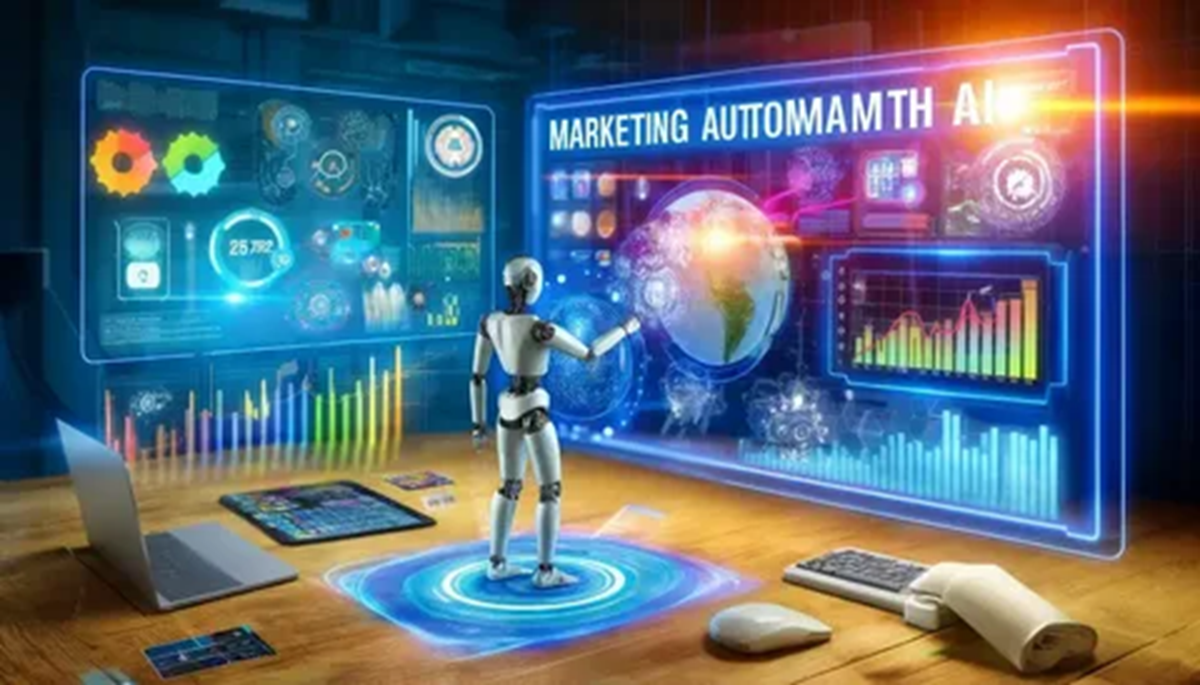
في ظلّ المشهد الرقمي شديد التنافسية اليوم، لم تعد السرعة والدقة والتخصيص خياراتٍ، بل أصبحت ضرورةً حتمية. غالبًا ما تعاني عمليات التسويق التقليدية من معوقاتٍ بشرية، كالتأخير في الموافقات، والتحسين اليدوي، وبطء تحليل البيانات، وعدم اتساق التنفيذ. وهنا يبرز دور التسويق الآلي المدعوم بالذكاء الاصطناعي كقوةٍ دافعةٍ للتغيير.
صُممت أنظمة التسويق المستقلة المدعومة بالذكاء الاصطناعي لتخطيط وتنفيذ وتحسين وتوسيع نطاق الحملات التسويقية بأقل قدر من التدخل البشري. فبدلاً من انتظار فرق العمل لتحليل التقارير أو تعديل الاستراتيجيات، تتخذ المنصات المدعومة بالذكاء الاصطناعي قرارات فورية بناءً على مجموعات بيانات ضخمة، وتحليلات تنبؤية، وتعلم مستمر. والنتيجة هي حملات أكثر ذكاءً، وتكاليف أقل، وتنفيذ أسرع، وعائد استثمار أعلى.
تستكشف هذه المقالة آلية عمل التسويق الآلي المدعوم بالذكاء الاصطناعي، وأهميته، وكيفية تطبيقه بفعالية من قبل الشركات، وما يخبئه المستقبل. وقد صُمم المحتوى ليكون متوافقًا مع محركات البحث، وشاملًا، وعمليًا لصناع القرار، والمسوقين، وأصحاب الأعمال.
ما هو التسويق بالذكاء الاصطناعي المستقل؟
يشير التسويق بالذكاء الاصطناعي المستقل إلى استخدام أنظمة الذكاء الاصطناعي التي تدير أنشطة التسويق عبر مختلف القنوات بشكل مستقل. تتجاوز هذه الأنظمة مجرد الأتمتة، فهي تفكر وتتعلم وتتصرف من تلقاء نفسها.
تشمل الخصائص الرئيسية ما يلي:
- خوارزميات التعلم الذاتي التي تتحسن بمرور الوقت
- اتخاذ القرارات في الوقت الفعلي دون الحاجة إلى موافقة بشرية
- التنسيق عبر القنوات المتعددة (الإعلانات، البريد الإلكتروني، المحتوى، وسائل التواصل الاجتماعي، إدارة علاقات العملاء)
- التحليلات التنبؤية والوصفية
- التحسين المستمر بناءً على بيانات الأداء
بخلاف أتمتة التسويق التقليدية، التي لا تزال تعتمد بشكل كبير على قواعد محددة مسبقًا، فإن الذكاء الاصطناعي المستقل يتكيف ديناميكيًا مع سلوك العملاء وتغيرات السوق.
لماذا تؤثر المعوقات البشرية سلبًا على أداء التسويق؟
تواجه فرق التسويق التي يقودها البشر قيودًا لا مفر منها:
- وقت واهتمام محدودان
- التحيز المعرفي في عملية صنع القرار
- ردود فعل متأخرة على تغيرات الأداء
- عدم القدرة على معالجة مجموعات البيانات الضخمة على الفور
تؤدي هذه المعوقات إلى هدر الإنفاق الإعلاني، وضياع الفرص، وبطء النمو. يُزيل التسويق المدعوم بالذكاء الاصطناعي هذه المشكلات من خلال العمل على مدار الساعة، ومعالجة ملايين البيانات في ثوانٍ، وتنفيذ الإجراءات فورًا.
المكونات الأساسية لأنظمة التسويق بالذكاء الاصطناعي المستقلة
1. استيعاب البيانات وتكاملها
تقوم منصات الذكاء الاصطناعي المستقلة بتجميع البيانات من مصادر متعددة مثل:
- تحليلات الموقع الإلكتروني
- أنظمة إدارة علاقات العملاء
- منصات الإعلان
- وسائل التواصل الاجتماعي
- أدوات التسويق عبر البريد الإلكتروني
يقوم الذكاء الاصطناعي بتوحيد هذه البيانات في طبقة ذكاء واحدة.
2. التعلم الآلي والنمذجة التنبؤية
باستخدام البيانات التاريخية والبيانات الآنية، يتنبأ الذكاء الاصطناعي بما يلي:
- نية العميل
- احتمالية التحويل
- الرسائل المثلى
- أفضل التوقيت والقنوات
3. محركات اتخاذ القرار
تحدد طبقة القرار ما يلي:
- أي جمهور يجب استهدافه
- ما هو حجم الميزانية التي يجب تخصيصها؟
- أي تصميم إبداعي يجب استخدامه
- متى يجب إيقاف الحملات مؤقتًا أو توسيع نطاقها؟
4. التنفيذ الذاتي
تقوم أنظمة الذكاء الاصطناعي بإطلاق الحملات أو تعديلها أو إيقافها تلقائيًا دون انتظار تدخل بشري.
5. حلقة التحسين المستمر
يتم إدخال ملاحظات الأداء باستمرار إلى النظام، مما يسمح للحملات بتحسين نفسها بمرور الوقت.
فوائد التسويق بالذكاء الاصطناعي المستقل
تنفيذ أسرع للحملات
يساهم الذكاء الاصطناعي في القضاء على تأخيرات الموافقة والتعديلات اليدوية، مما يتيح التنفيذ الفوري.
عائد استثمار أعلى
من خلال إعادة تخصيص الميزانيات في الوقت الفعلي نحو القنوات عالية الأداء، يتم تقليل الهدر بشكل كبير.
التخصيص الفائق على نطاق واسع
يقدم الذكاء الاصطناعي رسائل مخصصة لكل مستخدم بناءً على سلوكه وتفضيلاته ونواياه.
انخفاض تكاليف التشغيل
يتطلب التحليل وإعداد التقارير والتحسين ساعات عمل يدوية أقل.
التحسين المستمر
تتحسن الحملات باستمرار، حتى خارج ساعات العمل الرسمية.
حالات استخدام واقعية
الإعلانات المدفوعة
يقوم الذكاء الاصطناعي بتعديل العروض والإعلانات والجمهور بشكل تلقائي عبر منصات جوجل وميتا والمنصات البرمجية.
التسويق عبر البريد الإلكتروني
يتم إطلاق الحملات بناءً على السلوك، مع تحسين عناوين الرسائل وتوقيتها ومحتواها لكل مستخدم على حدة.
التسويق بالمحتوى
يقدم الذكاء الاصطناعي توصيات بشأن المواضيع والتنسيقات واستراتيجيات التوزيع بناءً على اتجاهات الأداء.
تنسيق رحلة العميل
يتولى الذكاء الاصطناعي إدارة نقاط الاتصال عبر مسار التحويل بأكمله، مما يضمن الاتساق والملاءمة.
كيفية تطبيق التسويق بالذكاء الاصطناعي المستقل بنجاح
الخطوة الأولى: تحديد أهداف واضحة
يكون أداء الذكاء الاصطناعي في أفضل حالاته عندما تكون الأهداف واضحة، مثل توليد العملاء المحتملين، أو التحويلات، أو الاحتفاظ بالعملاء، أو نمو الإيرادات.
الخطوة الثانية: مركزة بياناتك
دمج التحليلات، وإدارة علاقات العملاء، ومنصات الإعلانات لتزويد الذكاء الاصطناعي ببيانات نظيفة وموحدة.
الخطوة 3: ابدأ بالاستقلالية الهجينة
ابدأ بالتوصيات المدعومة بالذكاء الاصطناعي قبل الانتقال إلى الاستقلالية الكاملة.
الخطوة الرابعة: الحفاظ على الإشراف البشري
بينما تتولى أنظمة الذكاء الاصطناعي إدارة الحملات، ينبغي على البشر مراقبة الأخلاقيات، وصوت العلامة التجارية، والتوافق الاستراتيجي.
الخطوة الخامسة: التحسين من أجل التعلم طويل الأمد
امنح الذكاء الاصطناعي الوقت والبيانات الكافية لتعلم الأنماط وتحسين الأداء.
تأثير التسويق بالذكاء الاصطناعي المستقل على تحسين محركات البحث
يعمل التسويق بالذكاء الاصطناعي المستقل على تحسين محركات البحث بشكل مباشر من خلال:
- تحسين توقيت توزيع المحتوى
- تحديد الكلمات الرئيسية ذات النية العالية
- تحسين مقاييس تفاعل المستخدمين
- تقليل معدلات الارتداد من خلال التخصيص
يمكن للذكاء الاصطناعي أيضًا تحديث استراتيجيات المحتوى بشكل تلقائي بناءً على اتجاهات البحث وتغييرات الخوارزميات.
التحديات والاعتبارات
على الرغم من قوتها، فإن التسويق الآلي القائم على الذكاء الاصطناعي يتطلب معالجة دقيقة:
- تُعد جودة البيانات أمراً بالغ الأهمية.
- الشفافية في صنع القرار أمر ضروري
- يجب ضمان الاستخدام الأخلاقي لبيانات العملاء.
- الاعتماد المفرط دون استراتيجية قد يضر بهوية العلامة التجارية
تتعامل الشركات الناجحة مع الذكاء الاصطناعي كشريك استراتيجي، وليس كبديل أعمى للذكاء البشري.
مستقبل التسويق بالذكاء الاصطناعي المستقل
مع تطور نماذج الذكاء الاصطناعي، سنشهد ما يلي:
- حملات متعددة القنوات تُدار ذاتيًا بالكامل
- توليد الطلب التنبؤي
- تحسين البحث الصوتي والمرئي
- تكامل أعمق مع أنظمة المبيعات والمنتجات
الشركات التي تتبنى التسويق الآلي القائم على الذكاء الاصطناعي مبكراً ستكتسب ميزة تنافسية مستدامة.
ما الفرق بين أتمتة التسويق والتسويق الآلي المدعوم بالذكاء الاصطناعي؟
تتبع أتمتة التسويق قواعد محددة مسبقًا، بينما يتعلم التسويق القائم على الذكاء الاصطناعي المستقل ويتخذ القرارات ويتصرف بشكل مستقل.
هل التسويق الآلي القائم على الذكاء الاصطناعي مناسب للشركات الصغيرة؟
نعم. العديد من المنصات قابلة للتوسع ويمكنها تقليل التكاليف وعبء العمل اليدوي بشكل كبير للفرق الصغيرة.
هل يحل التسويق الآلي القائم على الذكاء الاصطناعي محل المسوقين البشريين؟
لا، بل يزيل المهام المتكررة والاختناقات، مما يسمح للمسوقين بالتركيز على الاستراتيجية والإبداع.
كم من الوقت يستغرق ظهور النتائج؟
قد تظهر التحسينات الأولية في غضون أسابيع، بينما قد يستغرق التحسين الكامل عدة أشهر اعتمادًا على حجم البيانات.
هل التسويق الآلي القائم على الذكاء الاصطناعي آمن لسمعة العلامة التجارية؟
عند مراقبة الذكاء الاصطناعي وتوجيهه بشكل صحيح، فإنه يعمل ضمن إرشادات العلامة التجارية والأخلاقيات بشكل فعال.
يمثل التسويق المدعوم بالذكاء الاصطناعي نقلة نوعية في كيفية تخطيط الحملات وتنفيذها وتحسينها. فمن خلال التخلص من القيود البشرية، تستطيع الشركات التحرك بسرعة أكبر، وإنفاق أموالها بذكاء، والتواصل مع عملائها بفعالية أكبر. مستقبل التسويق يكمن في المؤسسات التي تتبنى الذكاء الاصطناعي المستقل مع الحفاظ على الإشراف البشري الاستراتيجي.
إذا كنت مستعدًا لتطبيق التسويق الآلي القائم على الذكاء الاصطناعي وإدارة حملات ذكية دون عوائق بشرية، فتعاون مع ولاء الأمين اليوم.
عنوان المكتب الرئيسي:
3556 هارتفورد واي فيلج، ماونت بليزانت، كارولاينا الجنوبية، 29466، أستراليا
طلب المساعدة:
(+20) 122 225 5886
للاستفسار، يرجى مراسلتنا عبر البريد الإلكتروني.
lets-talk@walaa-elamin.com
قم بزيارة الموقع الرسمي لبدء رحلتك نحو النمو المدعوم بالذكاء الاصطناعي:
https://walaa-elamin.com/