
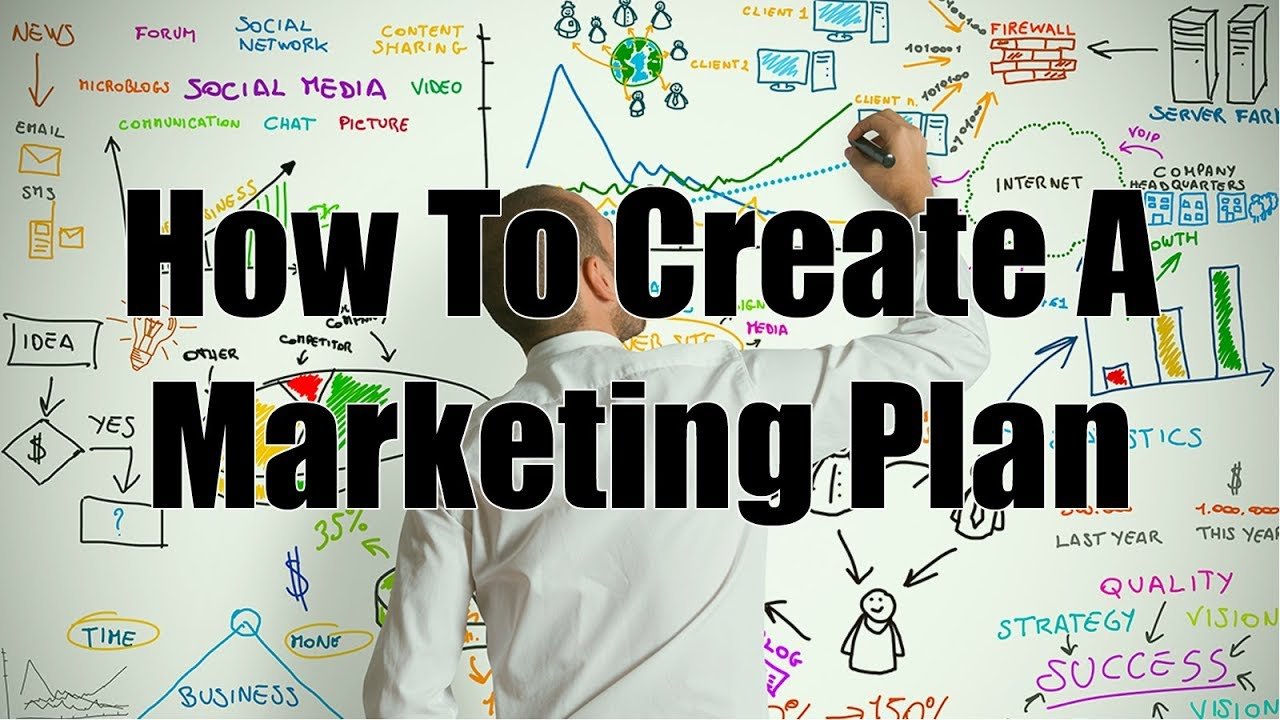
In today’s competitive business environment, success doesn’t happen by chance—it is the result of careful planning and strategic execution. Whether you are launching a startup, expanding a small business, or redefining your brand, a well-structured marketing plan is essential. It acts as a roadmap that aligns your business goals with actionable marketing strategies to achieve sustainable growth.
Working with an experienced marketing consultant can significantly enhance the effectiveness of your marketing efforts by ensuring that your strategy is data-driven and aligned with market trends. You can learn more about professional expertise by visiting walaa.
What Is a Marketing Plan?
A marketing plan is a strategic document that outlines a company’s marketing objectives, target audience, messaging, and promotional tactics over a specific period. It helps businesses allocate resources efficiently and ensures that all marketing activities support overall business goals.
Key Components of a Marketing Plan
- Executive Summary
- أبحاث السوق
- Target Audience Definition
- Unique Value Proposition (UVP)
- Marketing Goals and Objectives
- Marketing Strategies and Tactics
- Budget Allocation
- Key Performance Indicators (KPIs)
- Implementation Timeline
Why Is a Marketing Plan Important?
A well-crafted marketing plan provides several benefits:
- Clear Direction: Guides marketing efforts and aligns them with business objectives.
- Better Resource Allocation: Helps prioritize activities that deliver the highest return on investment.
- Improved Decision-Making: Enables data-driven strategies.
- Consistent Branding: Ensures unified messaging across all channels.
- Performance Measurement: Facilitates tracking and optimization of campaigns.
Step-by-Step Guide to Creating a Marketing Plan
1. Define Your Business Objectives
Start by identifying what you want to achieve. Your marketing goals should support your broader business objectives and follow the SMART criteria: Specific, Measurable, Achievable, Relevant, and Time-bound.
2. Conduct Market Research
Understanding your market is essential for crafting effective strategies. This includes industry analysis, competitor evaluation, and customer insights. Leveraging the expertise of a professional marketing strategist can provide deeper insights. Learn more here.
3. Identify Your Target Audience
Defining your ideal customer ensures your marketing efforts reach the right people. Create detailed buyer personas that include demographics, psychographics, behavioral traits, and pain points.
4. Develop Your Unique Value Proposition (UVP)
Your UVP explains why customers should choose your business over competitors. It should clearly communicate the benefits you offer and the problems you solve.
5. Set Marketing Goals and KPIs
Establish measurable indicators to evaluate success, such as:
- حركة المرور على الموقع الإلكتروني
- معدلات التحويل
- Customer acquisition cost (CAC)
- Return on marketing investment (ROMI)
- Social media engagement
6. Choose Your Marketing Strategies
Select strategies that align with your goals and audience. These may include:
- Content Marketing: Creating valuable content such as blogs and videos to attract and engage audiences.
- Search Engine Optimization (SEO): Improving your website’s visibility in search engines.
- Social Media Marketing: Building brand awareness through social platforms.
- Email Marketing: Nurturing leads and maintaining customer relationships.
- Paid Advertising: Utilizing PPC campaigns to reach targeted audiences quickly.

7. Create a Marketing Budget
Allocate your resources effectively by estimating the costs associated with each marketing activity, including advertising spend, content creation, marketing tools, and agency or freelancer fees. Typically, small businesses allocate 5–10% of their revenue to marketing.
8. Develop an Implementation Timeline
A clear timeline ensures that all activities are executed efficiently. Use a marketing calendar to schedule campaigns, content, and promotional activities.
9. Monitor and Optimize Performance
Regularly evaluate your marketing efforts using analytics tools such as Google Analytics, Google Search Console, and HubSpot. Continuous optimization is key to long-term success.
Common Mistakes to Avoid
- Lack of Clear Goals: Without defined objectives, measuring success becomes difficult.
- Ignoring Market Research: Assumptions about customers can lead to ineffective strategies.
- Overlooking Budget Planning: Poor financial planning can hinder campaign execution.
- Inconsistent Branding: Mixed messages weaken brand identity.
- Failure to Track Performance: Without analytics, optimization is impossible.
Marketing Plan Template
You can use the following structure when creating your marketing plan:
- Executive Summary
- Situation Analysis (SWOT)
- الجمهور المستهدف
- Unique Value Proposition
- Marketing Goals and KPIs
- Marketing Strategies and Channels
- Budget
- Implementation Timeline
- Evaluation and Control
1. What is the first step in creating a marketing plan?
The first step is defining clear business objectives that align with your overall company goals.
2. How long should a marketing plan be?
A marketing plan can range from 10 to 30 pages, depending on the size and complexity of the business.
3. How often should a marketing plan be updated?
It is recommended to review and update your marketing plan annually or whenever significant market changes occur.
4. What is the difference between a marketing strategy and a marketing plan?
A marketing strategy outlines the overall approach to achieving goals, while a marketing plan details the specific actions and tactics.
5. Do small businesses need a marketing plan?
Yes, a marketing plan is essential for businesses of all sizes. It helps small businesses compete effectively and allocate resources efficiently.
Creating a marketing plan from scratch is a crucial step toward achieving sustainable business growth. By defining clear objectives, understanding your audience, selecting the right strategies, and continuously monitoring performance, you can build a powerful roadmap that drives measurable results.
If you are ready to elevate your marketing strategy and achieve real business growth, partnering with an experienced professional can make all the difference.