
In today’s digital world, consumers are constantly exposed to تسويق messages across websites, social media platforms, email, and online advertisements. As competition grows, generic marketing campaigns are becoming less effective. Customers now expect brands to understand their needs, preferences, and behaviors.
This shift has led to the rise of hyper-personalized marketing, a strategy that uses advanced data, artificial intelligence, and behavioral insights to deliver highly tailored experiences to each individual customer.
Unlike traditional personalization, which might simply include a customer’s name in an email, hyper-personalization goes much deeper. It analyzes real-time data such as browsing behavior, purchase history, location, and interests to deliver the right message, product recommendation, or offer at exactly the right moment.
When implemented correctly, hyper-personalized marketing significantly improves the customer experience. It makes interactions feel relevant, timely, and meaningful while helping businesses increase engagement, conversions, and long-term customer loyalty.
In this article, we will explore what hyper-personalized marketing is, why it matters for modern businesses, and how companies can use it to create better customer experiences.
What is Hyper-Personalized Marketing?
Hyper-personalized marketing is an advanced marketing strategy that uses data analytics, artificial intelligence, and real-time customer insights to create highly customized marketing experiences.
Rather than targeting broad customer segments, hyper-personalization focuses on delivering individualized content, offers, and recommendations tailored to each customer’s unique behavior and preferences.
Examples of hyper-personalized marketing include:
- Product recommendations based on browsing history
- Personalized email campaigns triggered by customer actions
- Dynamic website content tailored to user behavior
- Customized advertising based on interests and demographics
- Location-based promotions and notifications
By analyzing customer data in real time, businesses can provide experiences that feel relevant and valuable rather than intrusive or generic.
Why Hyper-Personalization Matters in Modern Marketing
Consumer expectations have changed dramatically in recent years. Today’s customers want brands to understand their preferences and provide relevant recommendations.
Several factors explain why hyper-personalization has become a critical marketing strategy.
Rising Customer Expectations
Consumers are accustomed to personalized experiences provided by major digital platforms. They expect brands to remember their preferences and provide relevant recommendations.
When businesses fail to deliver personalized experiences, customers may lose interest or choose competitors.
Improved Customer Experience
Hyper-personalization creates smoother and more enjoyable customer journeys. Instead of searching through irrelevant content, customers receive recommendations that match their needs.
This improves satisfaction and increases the likelihood of repeat purchases.
Increased Engagement and Conversions
Personalized marketing messages are far more likely to capture attention than generic campaigns.
When customers see content that aligns with their interests, they are more likely to click, engage, and make purchases.
Stronger Customer Loyalty
When customers feel understood by a brand, they are more likely to build emotional connections and remain loyal over time.
Hyper-personalized experiences make customers feel valued and appreciated.
How Hyper-Personalized Marketing Works
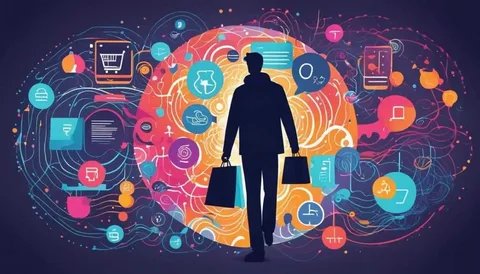
Hyper-personalization relies on collecting and analyzing customer data from multiple sources.
Customer Data Collection
The first step is gathering relevant customer information, which may include:
- Website browsing behavior
- Purchase history
- Social media interactions
- Email engagement
- Search queries
- Demographic information
- Location data
This data provides insights into customer interests, preferences, and purchasing patterns.
Data Analysis and Segmentation
Advanced analytics tools process large volumes of customer data to identify patterns and behavioral trends.
Instead of broad audience segments, hyper-personalization focuses on micro-segmentation, where customers are grouped into highly specific categories based on their behavior and interests.
Artificial Intelligence and Machine Learning
Artificial intelligence plays a major role in hyper-personalization. AI algorithms analyze data quickly and identify opportunities for personalized marketing in real time.
Machine learning continuously improves recommendations as it learns from new data and customer interactions.
Real-Time Content Delivery
Once insights are generated, businesses can deliver personalized content through various channels such as:
- Websites
- Mobile applications
- Email campaigns
- إعلانات وسائل التواصل الاجتماعي
- Push notifications
The goal is to provide relevant content at the exact moment customers are most likely to engage.
Examples of Hyper-Personalized Marketing
Many successful companies use hyper-personalization to enhance customer experiences.
Personalized Product Recommendations
Online retailers often recommend products based on previous purchases or browsing activity.
This approach increases cross-selling and upselling opportunities while helping customers discover relevant products.
Dynamic Website Content
Websites can adjust content depending on user behavior. For example, returning visitors may see different product suggestions than first-time visitors.
Dynamic content creates a more tailored browsing experience.
Behavioral Email Marketing
Email campaigns can be triggered by customer actions such as abandoning a shopping cart or viewing a product multiple time.
These automated emails often include personalized offers or reminders to encourage conversion.
Location-Based Marketing
Brands can send promotions based on a customer’s geographic location. For example, retail stores may notify customers about nearby discounts or events.
Location-based personalization increases relevance and convenience.
Benefits of Hyper-Personalized Marketing
Businesses that adopt hyper-personalized marketing strategies gain several advantages.
Higher Conversion Rates
Personalized recommendations and targeted messaging significantly improve the likelihood of conversions.
Customers are more likely to purchase products that match their interests and needs.
Improved Customer Retention
Satisfied customers are more likely to return to brands that provide personalized experiences.
Hyper-personalization strengthens long-term relationships and reduces customer churn.
Better Marketing Efficiency
Instead of wasting resources on broad campaigns, hyper-personalization focuses marketing efforts on the most relevant audiences.
This improves marketing efficiency and return on investment.
Competitive Advantage
Brands that deliver highly personalized experiences stand out in crowded markets.
Customers tend to prefer companies that make their interactions easier and more relevant.
Challenges of Hyper-Personalized Marketing
Despite its benefits, hyper-personalized marketing also presents certain challenges.
Data Privacy Concerns
Customers are increasingly aware of how their data is collected and used. Businesses must handle customer data responsibly and comply with privacy regulations.
Transparency and ethical data practices are essential.
Data Management Complexity
Managing large volumes of customer data requires advanced tools and technologies.
Businesses need strong data infrastructure and skilled professionals to analyze and interpret insights effectively.
Technology Investment
Implementing AI-powered personalization tools may require significant investment.
However, the long-term benefits often outweigh the initial costs.
The Future of Hyper-Personalized Marketing
Hyper-personalization will continue to evolve as technology advances.
Emerging trends include:
- AI-driven predictive marketing
- Voice-based personalized experiences
- Augmented reality product recommendations
- Real-time behavioral marketing automation
As these technologies become more accessible, businesses of all sizes will be able to create highly personalized experiences for their customers.
Companies that adopt hyper-personalized marketing early will gain a competitive advantage and build stronger relationships with their audiences.
What is hyper-personalized marketing?
Hyper-personalized marketing is a strategy that uses advanced data analytics, artificial intelligence, and customer behavior insights to deliver highly customized marketing experiences for individual customers.
How is hyper-personalization different from traditional personalization?
Traditional personalization typically involves simple adjustments such as adding a customer’s name to an email. Hyper-personalization uses real-time data and AI to create much deeper, individualized experiences.
What data is used in hyper-personalized marketing?
Businesses use data such as browsing behavior, purchase history, location information, demographic data, and engagement metrics to create personalized marketing campaigns.
Does hyper-personalization improve customer experience?
Yes. By delivering relevant content and recommendations, hyper-personalization helps customers find what they need faster and creates more enjoyable interactions with brands.
Can small businesses use hyper-personalized marketing?
Yes. Many marketing tools and automation platforms now offer personalization features that small businesses can use to create more targeted campaigns.
Hyper-personalized marketing is transforming the way brands interact with their audiences. By leveraging data, artificial intelligence, and real-time insights, businesses can deliver highly relevant experiences that improve customer satisfaction and increase engagement.
In an era where customers expect brands to understand their needs, personalization has become a key competitive advantage. Companies that adopt hyper-personalized marketing strategies can strengthen customer relationships, increase conversions, and create long-term loyalty.
As technology continues to advance, the ability to deliver tailored experiences will become even more important for businesses seeking sustainable growth.
If you want to learn more about effective digital marketing strategies and ways to improve customer experience, visit the website