
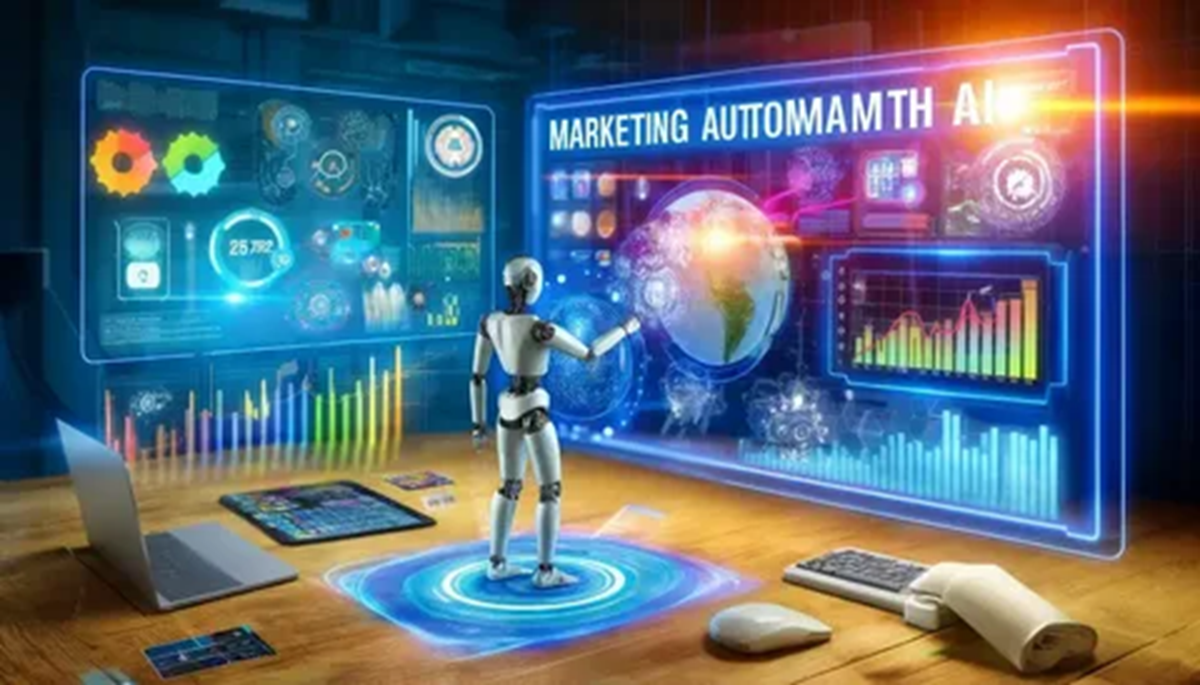
In today’s hyper-competitive digital landscape, speed, accuracy, and personalization are no longer optional, they are essential. Traditional marketing workflows often suffer from human bottlenecks: delayed approvals, manual optimization, slow data analysis, and inconsistent execution. This is where Autonomous AI Marketing steps in as a transformative force.
Autonomous AI marketing systems are designed to plan, execute, optimize, and scale marketing campaigns with minimal human intervention. Instead of waiting for teams to analyze reports or adjust strategies, AI-driven platforms make real-time decisions based on massive datasets, predictive analytics, and continuous learning. The result is smarter campaigns, lower costs, faster execution, and higher ROI.
This article explores how autonomous AI marketing works, why it matters, how businesses can implement it effectively, and what the future holds. The content is structured to be SEO-friendly, comprehensive, and practical for decision-makers, marketers, and business owners.
What Is Autonomous AI Marketing?
Autonomous AI marketing refers to the use of artificial intelligence systems that independently manage marketing activities across channels. These systems go beyond automation by thinking, learning, and acting on their own.
Key characteristics include:
- Self-learning algorithms that improve over time
- Real-time decision-making without human approval loops
- Cross-channel orchestration (ads, email, content, social, CRM)
- Predictive and prescriptive analytics
- Continuous optimization based on performance data
Unlike traditional marketing automation, which still relies heavily on predefined rules, autonomous AI adapts dynamically to customer behavior and market changes.
Why Human Bottlenecks Hurt Marketing Performance
Human-led marketing teams face unavoidable constraints:
- Limited time and attention
- Cognitive bias in decision-making
- Delayed reactions to performance changes
- Inability to process massive data sets instantly
These bottlenecks result in wasted ad spend, missed opportunities, and slow growth. Autonomous AI marketing eliminates these issues by operating 24/7, processing millions of data points in seconds, and executing actions immediately.
Core Components of Autonomous AI Marketing Systems
1. Data Ingestion and Integration
Autonomous AI platforms aggregate data from multiple sources such as:
- Website analytics
- CRM systems
- Advertising platforms
- Social media
- Email marketing tools
The AI unifies this data into a single intelligence layer.
2. Machine Learning and Predictive Modeling
Using historical and real-time data, AI predicts:
- Customer intent
- Conversion probability
- Optimal messaging
- Best timing and channels
3. Decision Engines
The decision layer determines:
- Which audience to target
- How much budget to allocate
- Which creative to deploy
- When to pause or scale campaigns
4. Autonomous Execution
AI systems launch, modify, or stop campaigns automatically without waiting for human input.
5. Continuous Optimization Loop
Performance feedback is constantly fed back into the system, allowing campaigns to self-optimize over time.

Benefits of Autonomous AI Marketing
Faster Campaign Execution
AI eliminates approval delays and manual adjustments, enabling instant execution.
Higher ROI
By reallocating budgets in real time toward high-performing channels, waste is dramatically reduced.
Hyper-Personalization at Scale
AI delivers tailored messages to each user based on behavior, preferences, and intent.
Reduced Operational Costs
Fewer manual hours are required for analysis, reporting, and optimization.
Always-On Optimization
Campaigns improve continuously, even outside business hours.
Real-World Use Cases
Paid Advertising
AI autonomously adjusts bids, creatives, and audiences across Google, Meta, and programmatic platforms.
Email Marketing
Campaigns are triggered based on behavior, with subject lines, timing, and content optimized per user.
Content Marketing
AI recommends topics, formats, and distribution strategies based on performance trends.
Customer Journey Orchestration
AI manages touchpoints across the entire funnel, ensuring consistency and relevance.
How to Implement Autonomous AI Marketing Successfully
Step 1: Define Clear Objectives
AI performs best when goals are clear lead generation, conversions, retention, or revenue growth.
Step 2: Centralize Your Data
Integrate analytics, CRM, and ad platforms to provide AI with clean, unified data.
Step 3: Start with Hybrid Autonomy
Begin with AI-driven recommendations before transitioning to full autonomy.
Step 4: Maintain Human Oversight
While AI runs campaigns, humans should monitor ethics, brand voice, and strategic alignment.
Step 5: Optimize for Long-Term Learning
Give AI enough time and data to learn patterns and improve performance.
SEO Impact of Autonomous AI Marketing
Autonomous AI marketing directly enhances SEO by:
- Optimizing content distribution timing
- Identifying high-intent keywords
- Improving user engagement metrics
- Reducing bounce rates through personalization
AI can also autonomously update content strategies based on search trends and algorithm changes.
Challenges and Considerations
Despite its power, autonomous AI marketing requires careful handling:
- Data quality is critical
- Transparency in decision-making is necessary
- Ethical use of customer data must be ensured
- Over-reliance without strategy can harm brand identity
Successful businesses treat AI as a strategic partner, not a blind replacement for human intelligence.
The Future of Autonomous AI Marketing
As AI models evolve, we will see:
- Fully self-managed omnichannel campaigns
- Predictive demand generation
- Voice and visual search optimization
- Deeper integration with sales and product systems
Companies that adopt autonomous AI marketing early will gain a sustainable competitive advantage.
What is the difference between marketing automation and autonomous AI marketing?
Marketing automation follows predefined rules, while autonomous AI marketing learns, decides, and acts independently.
Is autonomous AI marketing suitable for small businesses?
Yes. Many platforms are scalable and can significantly reduce costs and manual workload for small teams.
Does autonomous AI marketing replace human marketers?
No. It removes repetitive tasks and bottlenecks, allowing marketers to focus on strategy and creativity.
How long does it take to see results?
Initial improvements can appear within weeks, while full optimization may take several months depending on data volume.
Is autonomous AI marketing safe for brand reputation?
When properly monitored and guided, AI operates within brand and ethical guidelines effectively.
Autonomous AI marketing represents a paradigm shift in how campaigns are planned, executed, and optimized. By eliminating human bottlenecks, businesses can move faster, spend smarter, and connect with customers more effectively. The future of marketing belongs to organizations that embrace intelligent autonomy while maintaining strategic human oversight.
If you are ready to implement Autonomous AI Marketing and run smart campaigns without human bottlenecks, partner with Walaa Elamin today.
Head Office Address:
3556 Hartford Way Vlg, Mount Pleasant, SC, 29466, Australia
Call for Help:
(+20) 122 225 5886
Mail for Information:
lets-talk@walaa-elamin.com
Visit the official website to start your AI-driven growth journey:
https://walaa-elamin.com/