
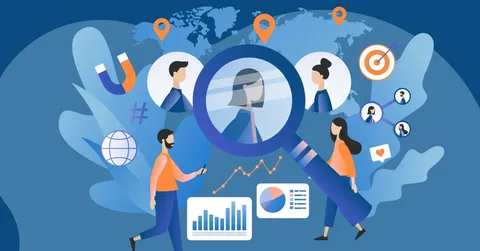
In today’s digital landscape, marketing decisions can no longer rely on intuition alone. Businesses that succeed online are those that understand their audience, analyze performance metrics, and continuously optimize their strategies. This is where data-driven marketing becomes essential.
Data-driven marketing uses customer data, analytics, and measurable insights to guide marketing strategies and decisions. Instead of guessing what works, marketers use real information to understand user behavior, improve campaign performance, and maximize return on investment.
From social media and email campaigns to search engine marketing and website optimization, data plays a critical role in shaping effective marketing strategies. Companies that leverage data effectively can create personalized experiences, improve engagement, and ultimately drive more conversions.
In this article, we will explore what data-driven marketing is, why it matters, and how businesses can use it to improve the performance of their marketing campaigns.
What is Data-Driven Marketing?
Data-driven marketing refers to the practice of using customer data and analytics to guide marketing strategies and decision-making. Instead of relying on assumptions, marketers analyze real data to understand audience behavior and campaign effectiveness.
This data can come from many sources, including:
- Website analytics
- Social media insights
- Customer relationship management (CRM) systems
- Email marketing platforms
- Search engine performance metrics
- Advertising analytics
By analyzing this information, marketers can identify patterns, trends, and opportunities to improve campaign performance.
For example, if analytics show that a specific audience segment responds better to video content than written posts, marketers can adjust their strategy to prioritize video campaigns.
Why Data-Driven Marketing is Important
Data-driven marketing has become essential for businesses operating in competitive digital markets. It allows companies to make smarter decisions and optimize their marketing efforts.
Improved Campaign Performance
Data allows marketers to track the performance of campaigns in real time. This means strategies can be adjusted quickly to improve results.
Instead of waiting until a campaign ends, marketers can analyze metrics such as click-through rates, conversions, and engagement levels to refine their approach.
Better Audience Targeting
Understanding customer data helps marketers identify their most valuable audiences.
With detailed insights into demographics, interests, and online behavior, businesses can create highly targeted campaigns that resonate with specific customer groups.
Higher Return on Investment (ROI)
Marketing budgets are often limited, so maximizing ROI is critical. Data-driven marketing ensures that resources are invested in strategies that produce measurable results.
By identifying high-performing channels and eliminating ineffective tactics, businesses can optimize their marketing spending.
Personalized Customer Experiences
Modern consumers expect personalized experiences. Data-driven marketing allows brands to tailor messages, offers, and content based on individual customer preferences.
Personalization increases engagement and improves conversion rates.
Key Components of Data-Driven Marketing
Successful data-driven marketing strategies rely on several key components.
Data Collection
The first step is gathering relevant customer and campaign data. Businesses collect data from multiple sources such as:
- Website traffic analytics
- Social media engagement
- Online purchases
- Email interactions
- Customer feedback
The goal is to build a comprehensive understanding of how users interact with a brand across different platforms.
Data Analysis
Once data is collected, marketers analyze it to identify meaningful insights.
Data analysis helps answer questions such as:
- Which marketing channels generate the most traffic?
- What type of content performs best?
- Which campaigns drive the highest conversion rates?
- Where do customers drop off in the buying journey?
These insights help marketers make informed decisions.
Customer Segmentation
Customer segmentation involves dividing audiences into groups based on shared characteristics.
Segments may include:
- Demographics (age, location, gender)
- Interests and preferences
- Purchase history
- Behavioral patterns
Segmenting audiences allows marketers to deliver more relevant content and offers.
Campaign Optimization
Data-driven marketing enables continuous campaign optimization.
By monitoring performance metrics, marketers can adjust variables such as:
- Target audience
- Content format
- Advertising budget
- Timing and frequency
This ongoing optimization improves overall campaign effectiveness.
Essential Tools for Data-Driven Marketing
Modern marketing relies heavily on tools and technologies that collect and analyze data.
Web Analytics Platforms
Tools like website analytics platforms help marketers track user behavior, page views, bounce rates, and conversion paths.
These insights reveal how visitors interact with websites and which pages drive the most engagement.
Customer Relationship Management (CRM)
CRM systems store customer information, purchase history, and communication records.
This data helps businesses understand customer relationships and create more personalized marketing strategies.
Marketing Automation Platforms
Marketing automation tools help businesses manage campaigns across multiple channels while tracking performance metrics.
They also enable personalized messaging and customer journey mapping.
Social Media Analytics
Social media platforms provide insights into engagement metrics such as likes, shares, comments, and reach.
These metrics help brands understand which types of content resonate most with their audience.
How to Implement a Data-Driven Marketing Strategy
Businesses looking to adopt data-driven marketing should follow a structured approach.
Define Clear Marketing Goals
Before analyzing data, marketers must define clear objectives.
Common goals include:
- Increasing website traffic
- Improving conversion rates
- Generating more leads
- Enhancing customer engagement
Clear goals ensure that data analysis remains focused and actionable.
Identify Key Performance Indicators (KPIs)
KPIs are measurable metrics that indicate whether marketing campaigns are achieving their objectives.
Examples include:
- Conversion rate
- Click-through rate (CTR)
- Cost per acquisition (CPA)
- Customer lifetime value (CLV)
Tracking these metrics helps marketers evaluate campaign success.
Integrate Data from Multiple Sources
To gain a complete view of customer behavior, businesses should integrate data from multiple platforms.
Combining insights from website analytics, social media, email campaigns, and advertising platforms provides a comprehensive understanding of marketing performance.
Test and Experiment
Testing is a crucial part of data-driven marketing.
A/B testing allows marketers to compare different versions of content, ads, or landing pages to determine which performs better.
Continuous experimentation helps refine strategies over time.
Common Challenges in Data-Driven Marketing
Although data-driven marketing offers many benefits, businesses may face several challenges.
Data Overload
With so much information available, marketers may struggle to determine which metrics truly matter.
Focusing on key performance indicators helps prevent data overload.
Data Privacy and Compliance
Companies must ensure that customer data is collected and stored responsibly while complying with privacy regulations.
Transparency and ethical data practices are essential for maintaining customer trust.
Integration Issues
Many businesses use multiple marketing tools that may not integrate easily.
Using platforms that support data integration can help overcome this challenge.
The Future of Data-Driven Marketing
As technology continues to evolve, data-driven marketing will become even more sophisticated.
Emerging technologies such as artificial intelligence and machine learning will enable marketers to analyze large data sets faster and more accurately.
Predictive analytics will also play a growing role, allowing businesses to anticipate customer behavior and deliver highly personalized experiences.
Companies that invest in data-driven marketing today will be better positioned to adapt to future trends and maintain a competitive advantage.
What is the main goal of data-driven marketing?
The primary goal is to use data and analytics to improve marketing decisions, optimize campaigns, and achieve better business results.
How does data-driven marketing improve campaign performance?
By analyzing real-time data, marketers can identify what works and what doesn’t, allowing them to adjust strategies and improve campaign effectiveness.
What types of data are used in marketing?
Marketing data can include customer demographics, website behavior, purchase history, social media engagement, and advertising performance metrics.
Is data-driven marketing suitable for small businesses?
Yes. Even small businesses can benefit from data-driven marketing by using analytics tools to understand their audience and optimize campaigns.
What skills are required for data-driven marketing?
Successful data-driven marketers need analytical thinking, familiarity with marketing analytics tools, understanding of customer behavior, and the ability to translate data insights into actionable strategies.
Data-driven marketing has transformed the way businesses plan, execute, and evaluate their marketing strategies. By relying on analytics and measurable insights, companies can make informed decisions that lead to better campaign performance and stronger customer relationships.
Organizations that adopt data-driven marketing gain a significant competitive advantage. They can identify opportunities, personalize customer experiences, and continuously refine their strategies based on real data.
As digital marketing continues to evolve, businesses that prioritize data-driven strategies will be better equipped to adapt, innovate, and achieve sustainable growth.
If you want to learn more about effective digital marketing strategies and how to improve your campaign performance, visit the website.