
Integrated Marketing Communications

Customers rarely interact with a brand through only one channel. They may first see a social media post, later search for the company online, visit its website, receive an email, watch an advertisement, and finally speak with a sales representative.
If every channel communicates something different, the customer experience becomes confusing.
Integrated Marketing Communications solves this problem by creating a consistent and connected message across all marketing channels.
Instead of treating advertising, content, social media, email, public relations, and sales as separate activities, businesses use an integrated approach to make every communication support the same strategic direction.
What Is Integrated Marketing Communications?
Integrated Marketing Communications, often referred to as IMC, is the process of coordinating different marketing channels so they communicate a unified message to the target audience.
The goal is not to publish identical content everywhere.
Instead, each channel should support the same positioning, values, objectives, and customer promise while adapting the message to the format and audience.
An integrated communication strategy may include:
- Advertising
- Content marketing
- Social media
- Email marketing
- Public relations
- SEO
- Events
- Sales communication
- Influencer marketing
- Offline media
When these elements work together, customers experience a more consistent brand.
Why Integrated Marketing Communications Matters
Modern customers move between online and offline channels constantly.
They may discover a product through social media but research it through Google. They may then visit the company website before speaking with a salesperson or visiting a physical location.
If these interactions feel disconnected, trust can decline.
Integrated communications help ensure that every touchpoint reinforces the same central message.
Creates Brand Consistency
Consistency makes brands easier to recognise.
Visual identity, tone of voice, messaging, offers, and customer promises should feel connected across different platforms.
This repetition helps customers understand what the brand represents.
Improves Marketing Efficiency
Without coordination, teams may create separate campaigns that duplicate effort or communicate competing messages.
Better marketing team management can help ensure that content, design, digital, advertising, and other specialists work toward shared objectives rather than operating independently.
Strengthens Customer Trust
Customers are more likely to trust a business when its communication remains consistent.
If an advertisement promises one experience while the website or sales team communicates something completely different, customers may become uncertain.
Integrated communications reduce these gaps.
Key Elements of Integrated Marketing Communications
A successful Integrated Marketing Communications strategy usually begins with several core elements.
1. Clear Brand Messaging
Every channel needs a common foundation.
Businesses should define:
- Core value proposition
- Brand personality
- Key customer benefits
- Tone of voice
- Main positioning
- Supporting messages
These elements guide the marketing team while allowing individual channels to adapt communication appropriately.
2. Understanding the Target Audience
Integrated marketing begins with understanding who the business wants to reach.
Different audiences may use different platforms and respond to different messages.
A younger audience may discover brands primarily through social media, while business decision-makers may rely more heavily on search, professional networks, email, or industry content.
Understanding audience behaviour helps companies select the right mix of communication channels.
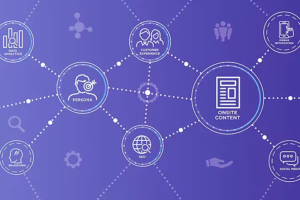
3. Coordinated Marketing Channels
Integration means channels support each other.
For example, an advertising campaign may introduce a new product, while social media builds awareness, website content provides detailed information, and email encourages existing leads to take action.
Businesses planning multi-channel campaigns can benefit from understanding effective campaign launch tips so messaging, timing, creative assets, and objectives remain coordinated.
4. Consistent Visual and Verbal Identity
Customers should be able to recognise a brand regardless of where they encounter it.
This includes consistency in:
- Logo use
- Colours
- Typography
- Photography
- Language
- Tone
- Calls to action
Consistency does not require every advertisement or social post to look identical.
Instead, every communication should clearly feel like it belongs to the same brand.
How to Build an Integrated Marketing Communications Strategy
Developing an effective IMC strategy requires planning before execution.
Define Communication Objectives
Start with clear objectives.
The goal might be to increase awareness, generate qualified leads, launch a product, improve customer retention, or strengthen brand perception.
Every communication channel should contribute to one or more of these objectives.
Create a Core Campaign Message
Develop one central idea that explains what the campaign should communicate.
The wording can change across different platforms, but the main message should remain consistent.
Choose the Right Channels
Businesses do not need to appear everywhere.
Channel selection should depend on audience behaviour, campaign objectives, available resources, and measurable performance.
For example, paid media may provide immediate visibility while organic content supports longer-term discovery and authority.
Businesses can explore current approaches through resources on paid marketing strategies when deciding how paid channels should fit within wider communication activity.
Coordinate Teams and Timelines
Integration requires collaboration.
Content writers, designers, media specialists, social teams, sales teams, and managers should understand the campaign strategy and how their responsibilities connect.
Shared calendars, campaign briefs, approval processes, and reporting frameworks can reduce inconsistency.
Measuring Integrated Marketing Communications
Integrated marketing should still be measurable.
Businesses should monitor both individual channel performance and the combined impact of the campaign.
Useful metrics may include:
- Brand awareness
- Website traffic
- Engagement
- Leads
- Conversion rates
- Cost per acquisition
- Search demand
- Revenue
- Return on marketing investment
Tracking performance helps businesses determine which channels contribute most effectively to customer acquisition and business growth.
Common Integrated Marketing Communications Mistakes
One common mistake is assuming integration means publishing exactly the same content on every platform.
Different channels require different formats and communication styles.
Another mistake is allowing departments to create campaigns independently without a central strategy.
Businesses should also avoid selecting channels simply because they are popular. Every platform should have a clear strategic purpose.
Finally, integrated marketing requires continuous optimisation. Customer behaviour, platforms, and communication trends evolve, so businesses need to regularly evaluate their approach.
What is Integrated Marketing Communications?
Integrated Marketing Communications is a strategy that coordinates multiple marketing channels to deliver a consistent brand message and customer experience.
What channels are included in integrated marketing?
Channels may include advertising, social media, email, SEO, content marketing, public relations, events, sales communication, and offline media.
Why is Integrated Marketing Communications important?
It improves brand consistency, strengthens customer trust, reduces disconnected marketing activity, and helps different channels work toward shared business objectives.
Is Integrated Marketing Communications the same as multichannel marketing?
Not exactly. Multichannel marketing means using several channels, while integrated marketing focuses on ensuring those channels communicate consistently and support each other.
How can businesses measure integrated communications?
Businesses can monitor awareness, engagement, traffic, leads, conversion rates, acquisition costs, revenue, and return on marketing investment across the campaign.
Create One Clear Brand Experience
Successful Integrated Marketing Communications is not about using more marketing channels. It is about ensuring every channel contributes to one clear and consistent brand experience.
When advertising, content, social media, sales, and customer communication work together, businesses can strengthen recognition, improve customer trust, and use marketing resources more effectively.
If your marketing channels feel disconnected or your business needs a clearer communication strategy, Contact Walaa ElAmin to build a more coordinated approach that connects your brand message, audience, channels, and commercial objectives.