
Customer Journey Mapping
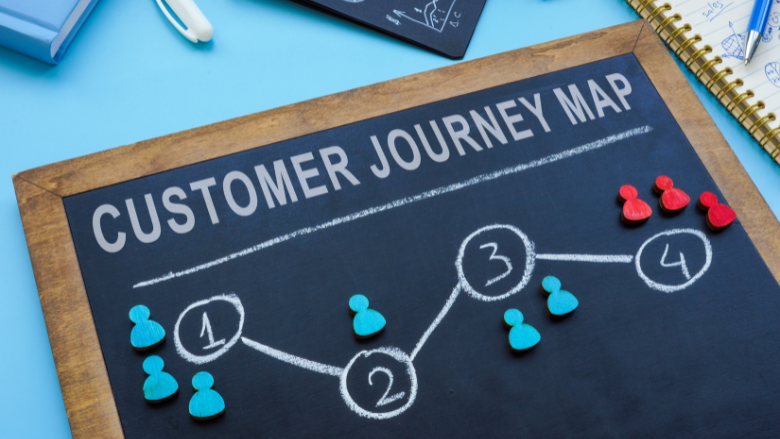
A customer rarely discovers a business and makes a purchase immediately. Most people move through several stages before deciding to buy, from discovering a need to researching options, comparing providers, asking questions, and finally taking action.
Customer Journey Mapping helps businesses understand this process from the customer’s point of view.
Instead of looking at marketing channels separately, journey mapping connects every interaction into one clear experience. It shows what customers need at each stage, where they may experience friction, and how businesses can improve communication, engagement, and conversion.
For companies that want to create more relevant and customer-focused marketing, Customer Journey Mapping provides a practical way to understand how people actually move from awareness to loyalty.
What Is Customer Journey Mapping?
Customer Journey Mapping is the process of documenting the stages and interactions a customer experiences with a business.
The journey can begin long before a customer contacts the company and continue after the first purchase.
Typical stages include:
- Awareness
- Consideration
- Decision
- Purchase
- Retention
- Advocacy
This approach is closely connected to the Customer Lifecycle Model, which looks at how customers move from initial awareness through purchase, retention, and long-term loyalty.
Each stage can involve multiple touchpoints, including search engines, advertisements, websites, social media, email, sales conversations, and customer support.
Why Customer Journey Mapping Matters
Customers do not separate marketing into departments or channels. They experience one brand.
If a social media advertisement creates one expectation but the website, sales process, or customer support delivers something different, the overall experience becomes inconsistent.
Customer Journey Mapping helps businesses understand how these interactions work together.
Identifying Customer Pain Points
A journey map can reveal areas where customers experience unnecessary difficulty.
These may include:
- Confusing website navigation
- Slow response times
- Complicated enquiry forms
- Missing information
- Unclear pricing
- Inconsistent messaging
Finding these issues gives businesses an opportunity to remove friction before it affects customer satisfaction or conversion.
Creating More Meaningful Experiences
Customers increasingly expect brands to provide relevant and memorable experiences rather than simply promote products.
Approaches such as experiential marketing can help businesses strengthen emotional connections with customers and create touchpoints that support engagement and brand loyalty.
The Main Stages of the Customer Journey
Although every business has a different customer journey, most journeys include several common stages.
1. Awareness
The awareness stage begins when a potential customer recognises a problem, need, or opportunity.
They may discover a business through:
- Search engines
- Social media
- Advertising
- Recommendations
- Articles
- Events
- Videos
At this stage, the objective should usually be to educate and build recognition rather than force an immediate sale.
Useful and relevant content can introduce the brand while helping the customer better understand their problem.
2. Consideration
During the consideration stage, customers actively compare different solutions.
They may visit websites, research services, read reviews, compare prices, or evaluate the experience and expertise of different providers.
This is where businesses need clear messages explaining:
- What they offer
- Who they serve
- What problems they solve
- What makes their approach different
A strong understanding of the company’s wider marketing journey can also help demonstrate experience, capabilities, and the strategic thinking behind its approach.
3. Decision
At the decision stage, customers are ready to take action.
Depending on the business, this could mean:
- Making a purchase
- Requesting a quote
- Booking a consultation
- Completing a form
- Scheduling a meeting
This stage should contain as little friction as possible.
Calls to action need to be clear, forms should be simple, and customers should understand exactly what happens after they submit an enquiry or complete a purchase.
4. Retention
Customer Journey Mapping should not stop after the first conversion.
Existing customers can generate repeat purchases, recommendations, positive reviews, referrals, and long-term business value.
Retention may be supported through:
- Effective onboarding
- Helpful customer support
- Email communication
- Personalised recommendations
- Follow-up campaigns
- Loyalty initiatives
The better the post-purchase experience, the more likely customers are to continue their relationship with the brand.
How to Create a Customer Journey Map
Effective Customer Journey Mapping should be based on customer behaviour and evidence rather than assumptions.
Define Customer Personas
Start by identifying the main audiences your business serves.
Different customer groups may follow completely different journeys and have different motivations, concerns, and expectations.
Identify Customer Touchpoints
Document the main places where customers interact with your business.
These may include search results, landing pages, social media, email, phone calls, sales meetings, advertisements, and customer service.
Understand Customer Intent
At every stage, ask what the customer is trying to achieve.
Someone in the awareness stage may need educational information.
Someone in the consideration stage may need proof, comparisons, or testimonials.
Someone ready to buy may simply need a clear next step.
Use Data to Find Friction
Analytics, customer feedback, sales conversations, abandoned forms, and support requests can reveal where customers struggle.
Technology can make this process easier. A connected marketing tech stack can help businesses bring together data from different channels and build a clearer understanding of customer behaviour.
Customer Journey Mapping and Marketing Performance
Customer journey maps help businesses build marketing around customer intent rather than isolated campaigns.
For example, search may introduce someone to a business, educational content may build trust, email can nurture interest, and testimonials may support the final purchasing decision.
Every touchpoint should have a purpose.
The goal is not to create as many interactions as possible. It is to make each interaction useful and relevant to the stage the customer is currently experiencing.
Common Customer Journey Mapping Mistakes
One major mistake is creating a journey map based entirely on internal assumptions.
Businesses should use actual customer behaviour and feedback whenever possible.
Another mistake is focusing exclusively on acquisition and purchase while ignoring retention.
Companies should also avoid treating journey mapping as a one-time exercise. Customer expectations, technologies, platforms, and buying habits constantly evolve.
What is the purpose of Customer Journey Mapping?
Customer Journey Mapping helps businesses understand how customers interact with a brand across different stages and identify opportunities to improve those interactions.
What is a customer touchpoint?
A customer touchpoint is any interaction between a customer and a business, including website visits, advertisements, emails, social media, sales conversations, and customer support.
What are the main customer journey stages?
The most common stages include awareness, consideration, decision, purchase, retention, and advocacy.
How does Customer Journey Mapping improve marketing?
It helps businesses understand customer needs at each stage so they can create more relevant content, campaigns, experiences, and calls to action.
How often should a customer journey map be reviewed?
It should be reviewed regularly and whenever there are major changes in customer behaviour, technology, marketing channels, or the company’s products and services.
Build a Better Customer Experience
Effective Customer Journey Mapping helps businesses understand what customers need before, during, and after a purchase.
By mapping important touchpoints, identifying friction, and connecting marketing activities with customer intent, businesses can create smoother experiences that improve engagement, conversion, retention, and long-term loyalty.
If you want to better understand your customers and create a marketing strategy around how they actually make decisions, Contact Walaa ElAmin to develop a clearer and more customer-focused approach to growth.